NEC Fellowships – Academic Research Excellence and Institutional Development
“Bursele NEC – performanță în cercetare academică, consolidare instituțională” (3)
“Bursele NEC – performanță în cercetare academică, consolidare instituțională” (3)

Reporting period:
1 January – 31 December 2025
Contact person:
Professor Valentina Sandu-Dediu
Rector, New Europe College
nec@nec.ro
“Premiere Orizont Europa – Instituții” | Horizon Europe – Institutions
In recognition of its outstanding performance in international research competitions—particularly its success in securing European Research Council (ERC) Grants for Romania—New Europe College (NEC) has been awarded institutional funding by UEFISCDI. This funding is provided through financial instruments linked to Romania’s participation in the European Commission’s Horizon Europe programme.
New Europe College allocates these funds to further advance research activities, including the award of research fellowships, the organization of focus groups and academic events, and the support of research mobilities.
NEC Fellowships – Academic Research Excellence and Institutional Development
2023—2027
Timeframe: 1 November 2023 – 31 December 2027
Project number: PN-IV-P8-8.1-PRE-HE-ORG-2023-0055
Contract number: 18PHE/2023
Project title: “Bursele NEC – performanță în cercetare academică, consolidare instituțională”
Coordinator: Professor Valentina Dediu-Sandu, Rector of New Europe College
Acronym: 101098095 – TransCorr [ERC Grant: “Transnational histories of ‘corruption’ in Central-South-East Europe (1750-1850)” – TransCorr; PI: Silvia Marton]
Budget: 3 .118. 500 RON
General Objectives:
NEC aims to consolidate its core activities while contributing to the advancement of the Romanian research milieu by supporting outstanding researchers and fostering collaboration with international partners.
The primary objectives are to:
-maintain connections with leading specialists and institutions worldwide;
-enhance the international visibility of Romanian research;
-encourage fellows and alumni to develop competitive, high-impact research projects;
-promote the presence and recognition of NEC fellows and alumni at prestigious national and international scientific events, facilitating networking and future collaborations;
-disseminate the scientific achievements of NEC fellows and alumni to broader academic and public audiences.
1. Postdoctoral Fellowships
> 2024/2025 academic year
Maria Adamopoulou (Greece) – 10 months
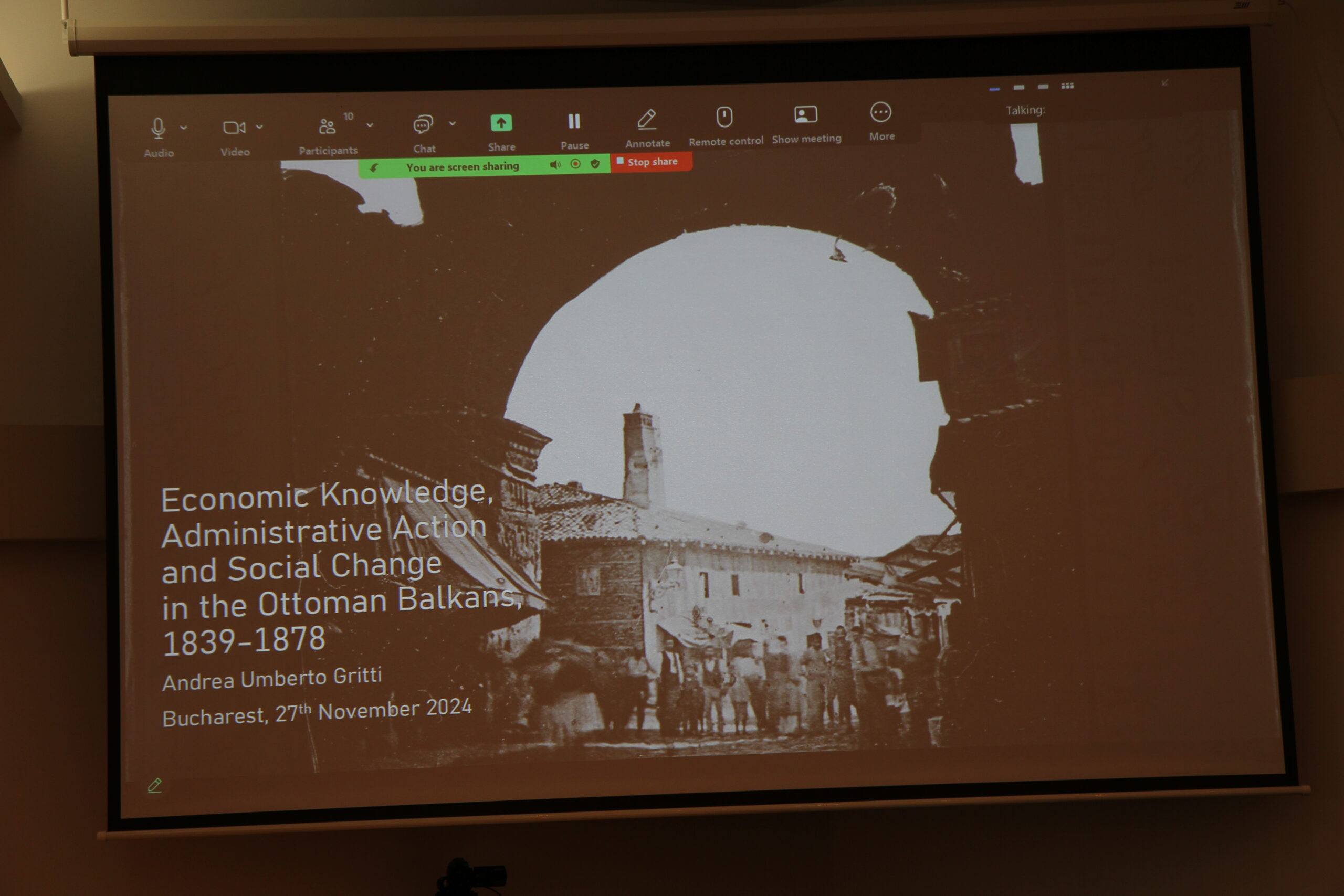
Andrea Umberto Gritti (Italy) – 10 months
Binyamin Hunyadi (Hungary/ Israel) – 10 months
Dana Katz (USA) – 10 months
Sabine Heidi Walther (Germany) – 10 months
> 2025/2026 academic year
Michiel Meeusen (Belgium) – 10 months
Stefan Peychev (Bulgaria) – 10 months
Carl Rommel (Sweden) – 10 months
Justyna Aniceta Turkowska (Poland) – 10 months
Hannah Riedler (Austria) – 5 months
__________________________________________________
TOTAL: 10 fellowships (9 fellowships * 10 months + 1 fellowship * 5 months)
2. Focus Groups
Technology – Culture – Humanities (NEC–TECH, founded in 2023);
Postdoctoral Fellowships:
Cristian Ducu (Romania) – 1 month
Răzvan Nicolescu (Romania) – 5 months
Environmental Humanities (EH, founded in 2024);
Postdoctoral Fellowships:
Cosmin Koszor-Codrea (Romania) – 10 months
Cosmin Minea (Romania) – 10 months
Valeska Bopp-Filimonov (Romania) – 7 months
Adrian Furtună (Romania) – 3 months
Politics, Legitimacy and Representation in Strained Societies (POLARIS, founded in 2025)
Postdoctoral Fellowships:
Camil Pârvu (Romania) – 3 months
Adelin Dumitru (Romania) – 3 months
Alexandru Volacu (Romania) – 3 months
Yiddish Culture in Interwar Romania (1918-1940)
Postdoctoral Fellowship:
Camelia Crăciun (Romania) – 8 months
__________________________________________________
TOTAL: 10 fellowships (2 fellowships * 10 months + 1 fellowship * 8 months + 1 fellowship * 7 months + 1 fellowship * 5 months + 4 fellowships * 3 months + 1 fellowship * 3 month)
3. Public Conferences
-Maria Rybakova gave the presentation titled The Hidden World of Quaternity: Jung, Brâncuși, and the Crimes of Despair on 3 December 2025.
-Maria Adamopoulou and Daniel Filip-Afloarei organized the international workshop titled Romania as a Global Cold War Actor in Politics and Culture on 9 July 2025.
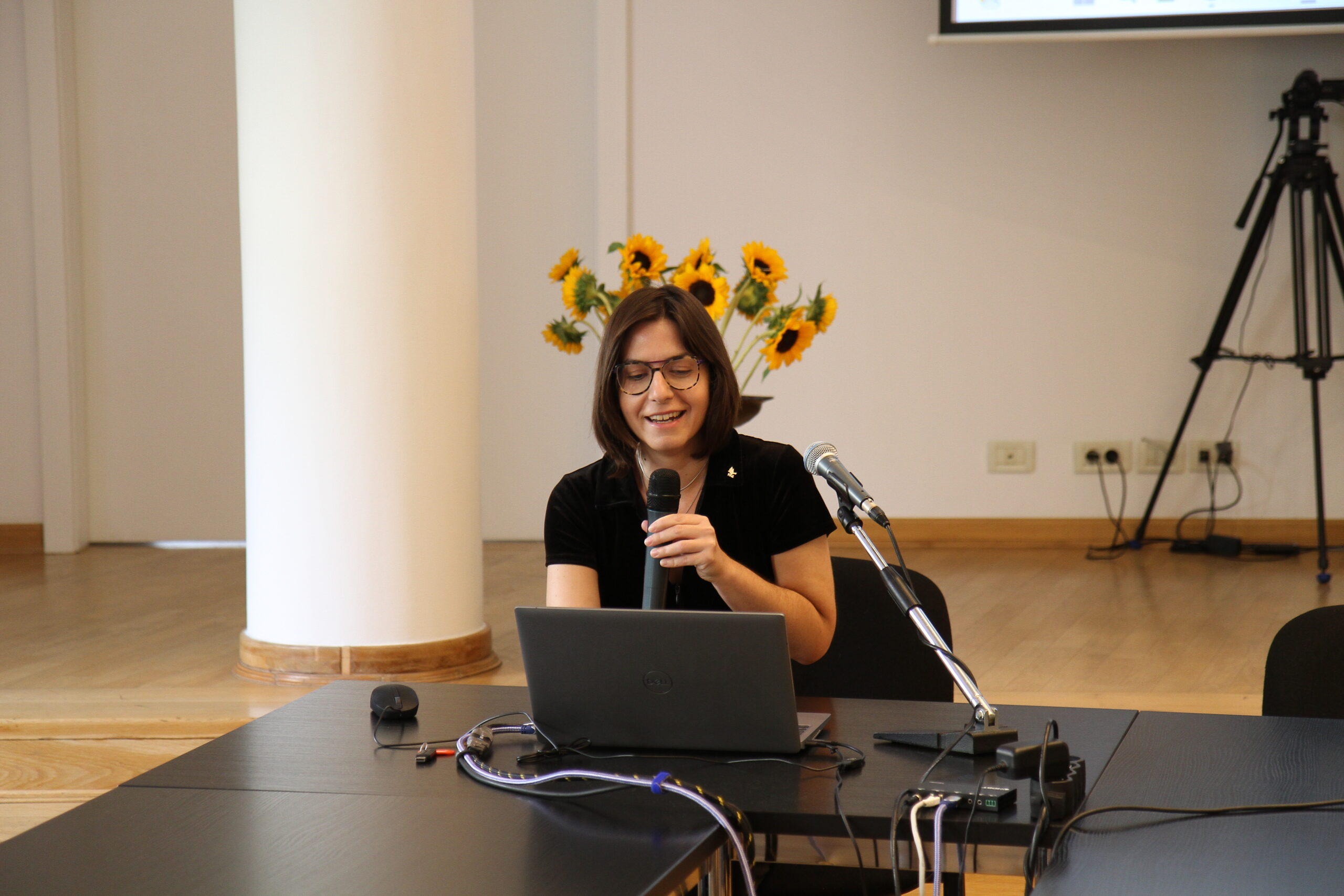
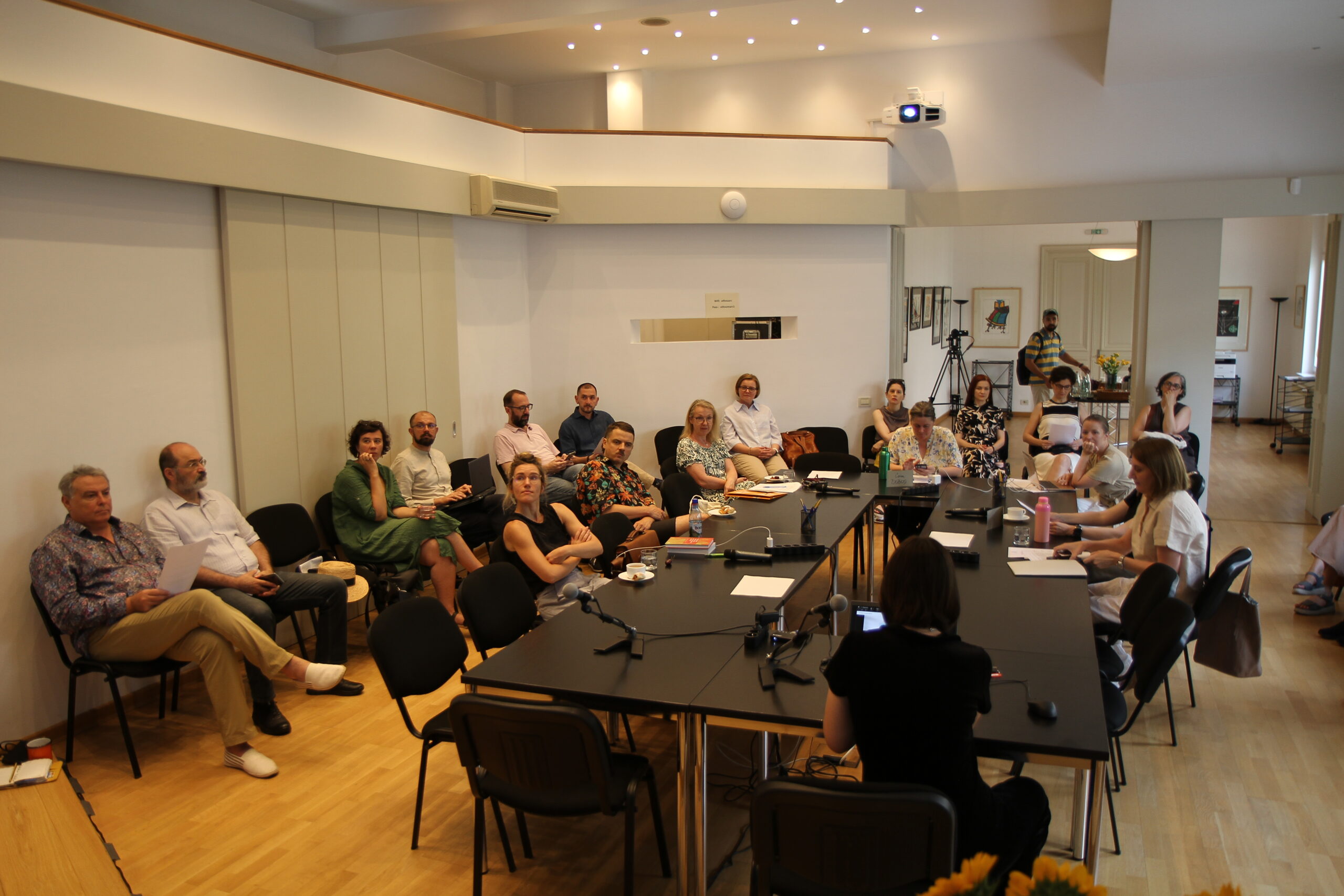
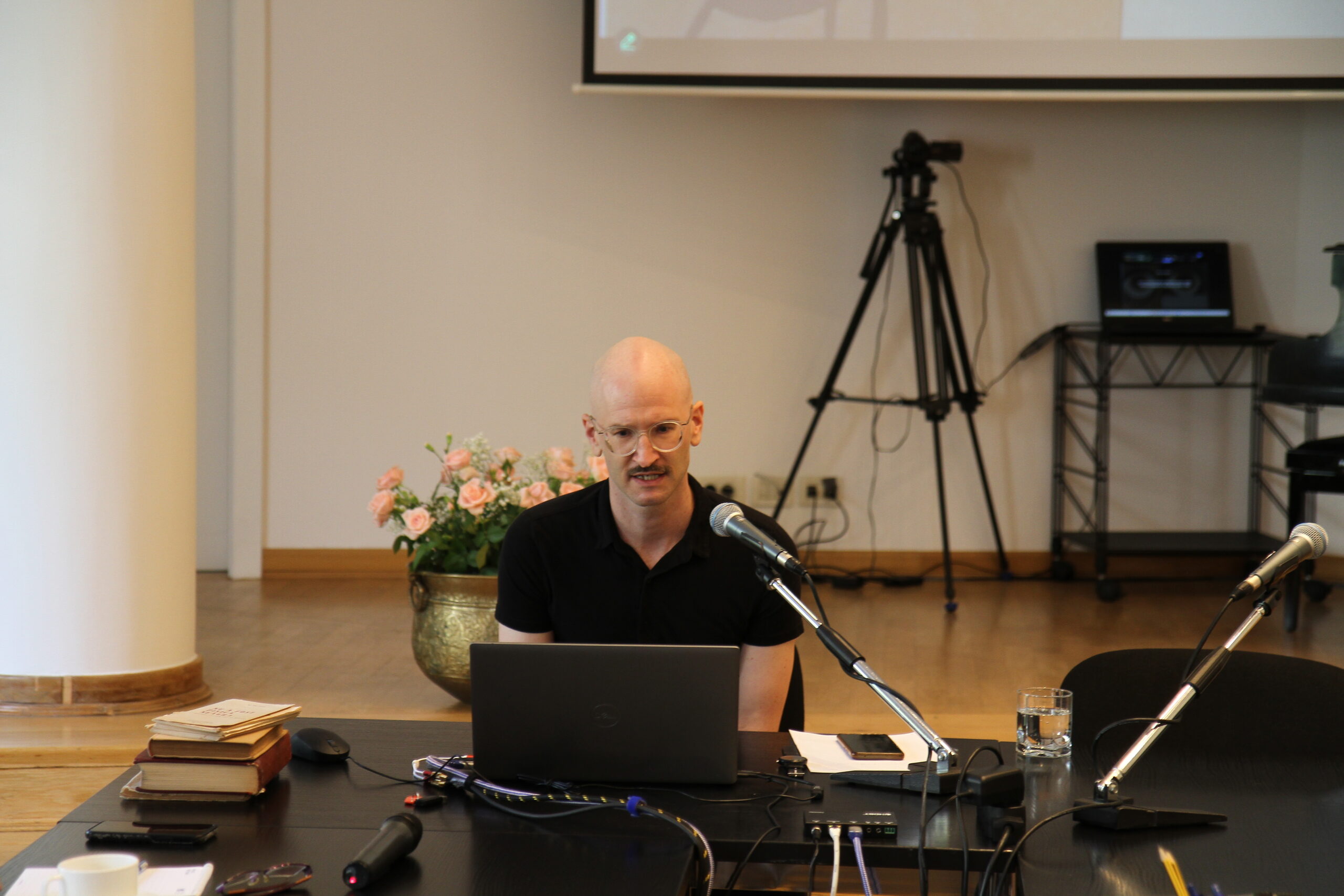
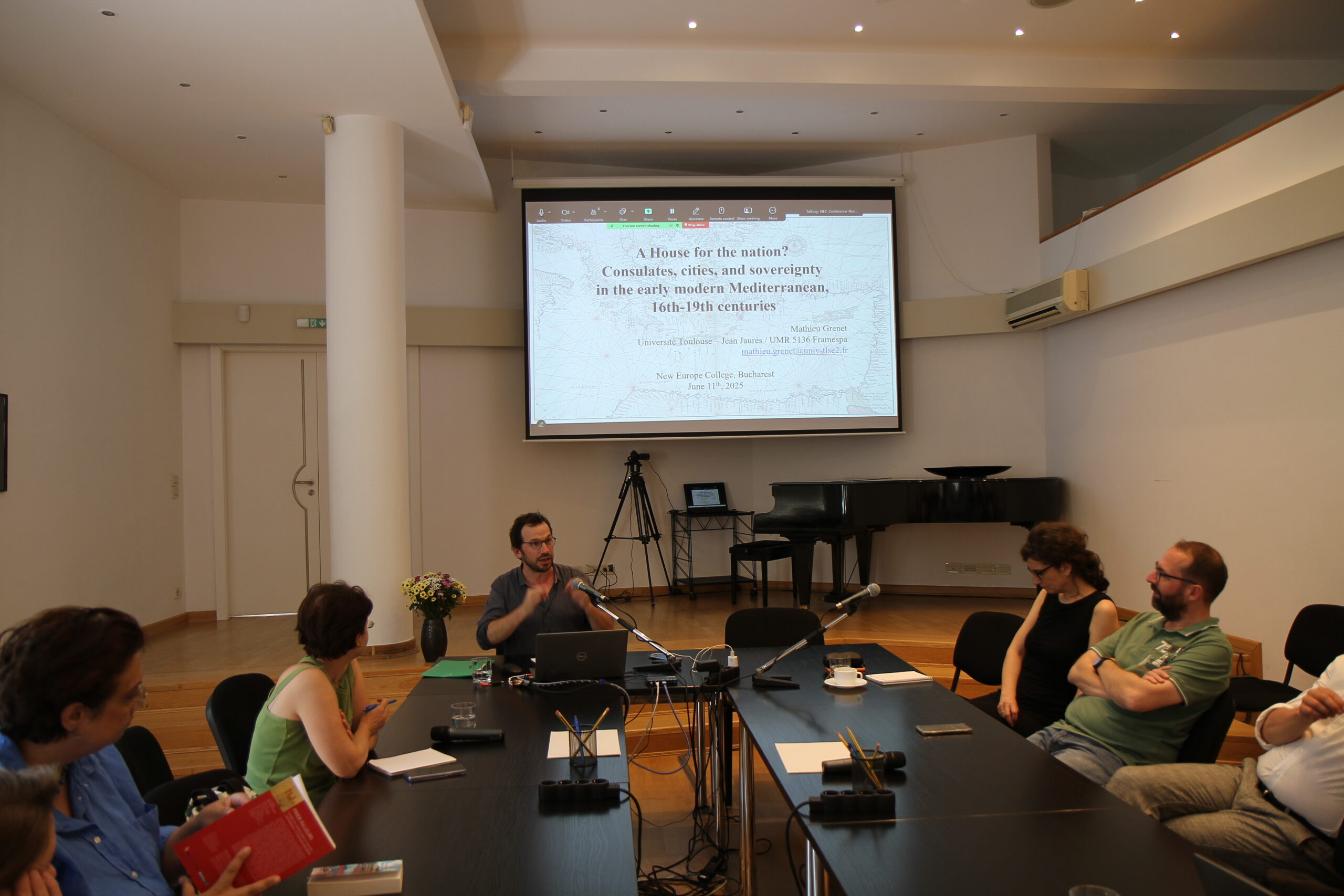
-Mathieu Grenet, Professor of History at Toulouse University – Jean Jaurès, gave the lecture titled A House for the Nation? Consulates, Cities and Sovereignty in the Early Modern Mediterranean, 16th-18th Centuries on 11 June 2025.
4. Research Mobilities
The following is a list of the main research mobilities completed by fellows during 2025:
-Maria Adamopoulou: ASKI, Contemporary Social History Archives (Athens);
-Andrea Umberto Gritti: Leibniz Institute for East and Southeast European Studies (Regensburg);
-Binyamin Hunyadi: Israil Bercovici Collection (Potsdam); Staatsbibliothek (Berlin);
-Dana Katz: Warburg Haus Archives (Hamburg); British Library (London); Biblioteca Centrale della Regione Siciliana (Palermo); Museo Regionale Interdisciplinare Accascina di Messina (Messina);
-Sabine Heidi Walther: Archeological Collection at Leeds City Museum (Leeds);
-Justyna Aniceta Turkowska: The National Archives & Library (Ottawa);
-Cosmin Koszor-Codrea: The National Archives of Romania – Drobeta Turnu-Severin branch.
5. Publications:
-Maria Adamopoulou, “Exiled Airwaves: The Greek Communist Radio Station Voice of Truth Based in Bucharest Addressing the Gastarbeiter in West Germany, 1960–1968”, in Journal for Media History (2025);
-Maria Adamopoulou, “Suitcase Europeanization: the urban transformation of Northern Greece through the Gastarbeiter migration and return (1960-1981)”, in Southeast European and Black Sea Studies, 25(3), 449–463;
-Maria Adamopoulou, “Fragile as a Class: Marxist Scholars’ Views of the ‘Gastarbeiter’ in West Germany in the Global 1970s”, in Becker, J., Bös, M., Çakır, S. (eds) Fragility of Global Migration. Springer (2025);
-Andrea Umberto Gritti, “Tough Prosperity: Discontent and Opponents of the Grain Boom of 1846 – 1847 in the Ottoman Balkans”, in Национално издателство за образование и наука “Аз-буки” (2025);
-Binyamin Hunyadi, “The <<Minor Cultural Revolution>> and Holocaust Remembrance in Romanian Yiddish Literature: The Case of Volf Tambur”, in Holocaust. Studii şi cercetări Journal (2024);
-Sabine Heidi Walther, “The Two Storyworlds of Ectors saga ok kappa hans”, in Storyworlds and Worldbuilding in Old Norse‑Icelandic Literature (Brepols, 2025);
-Camelia Crăciun, Irina Nastasă, Valentin Săndulescu, Francisca Solomon, Yiddish Culture in Interwar Romania (1918-1940) (CEU Press, 2025).
Conclusion:
The project was successfully implemented in line with the Institute’s plan. The objectives have been achieved, and the activities are expected to continue in the coming years. Through this program, New Europe College seeks to strengthen collaborations with leading international specialists and institutions, enhance the global visibility of Romanian research, and support fellows and alumni in developing competitive research projects.
The complete scientific report is available in PDF.
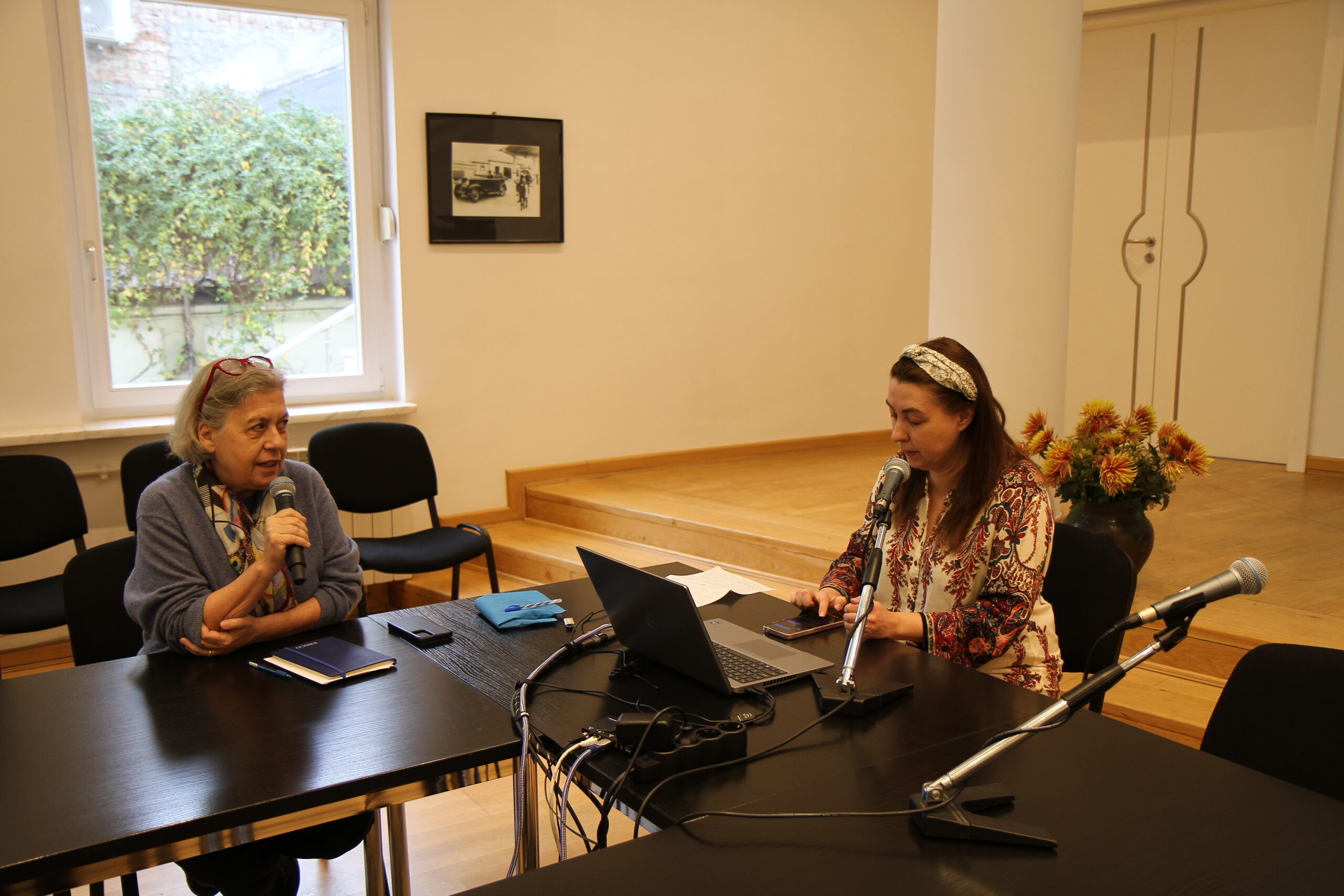
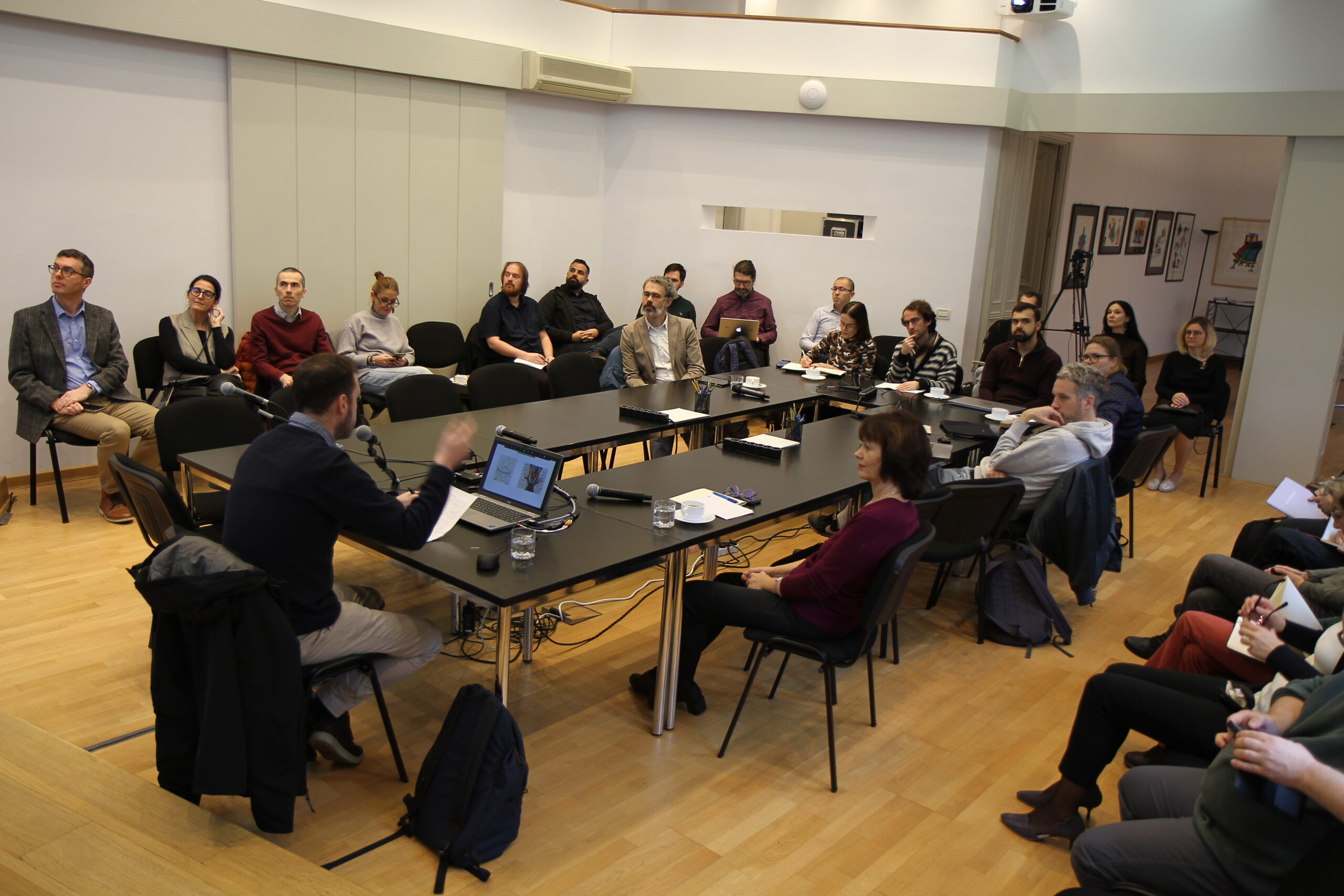
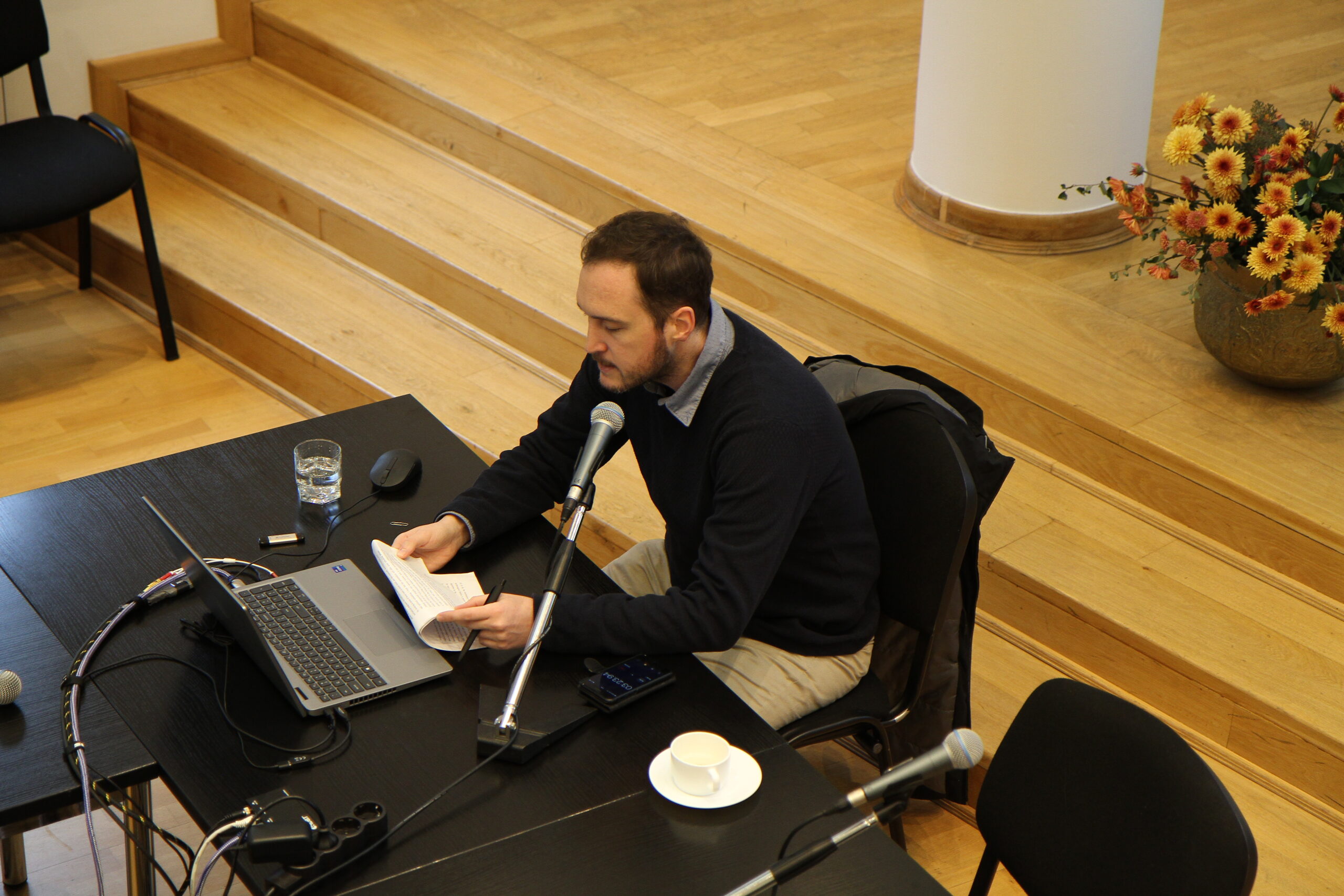
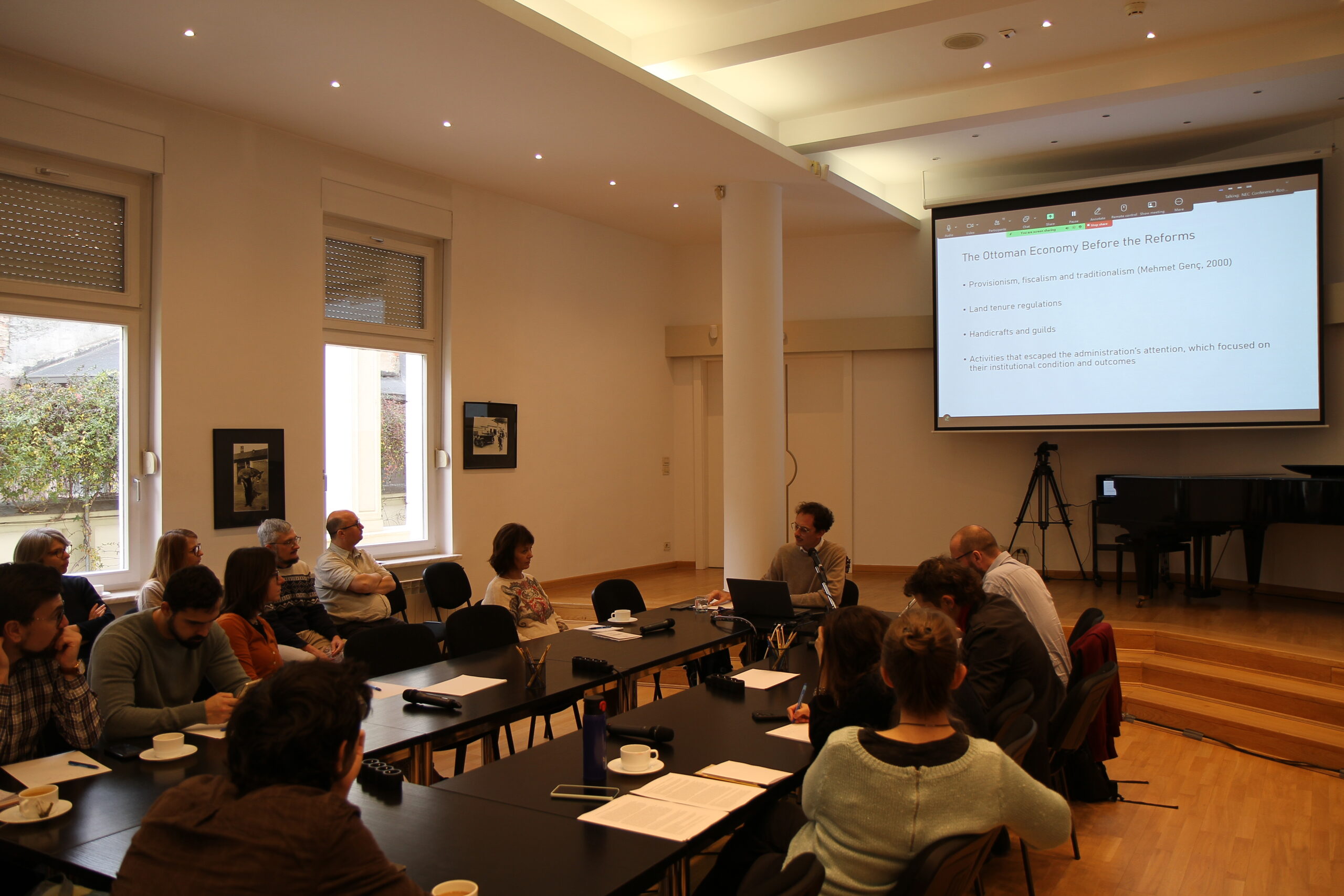
A selection of photos from the academic events of the program