Entrepreneurship and Community-Building among Serbs in Bosnia and Herzegovina during the Habsburg Occupation. The Case of Gligorije M. Jeftanović
Event: TransCorr Seminar
Location: NEC conference room & Zoom
22 January 2026, 16.00-18.00 (Bucharest time)
Augusta DIMOU (NEC Alumna), TransCorr team member; PhD. Privatdozentin, Institute of Cultural Studies, Chair of Comparative European History, University of Leipzig
Join Zoom Meeting
https://us02web.zoom.us/j/86053564093?pwd=soarDcaeGTlulMIYP18BZtzjrtjKmj.1
Meeting ID: 860 5356 4093
Passcode: 197637
Rising Capital
Entrepreneurship and Community-Building among Serbs in Bosnia and Herzegovina during the Habsburg Occupation. The case of Gligorije M. Jeftanović
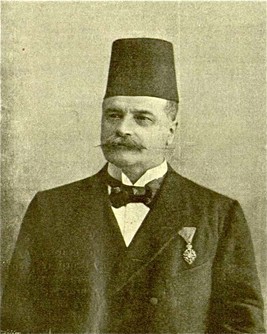
Gligorije Jeftanović (1840–1927) was indisputably a leading, if not the leading figure in the Movement for Church and School Autonomy among the Serbs of Bosnia and Herzegovina in the last decades of the 19th century. As a rule, he is commemorated as a larger than life personality, an ardent patriot, an adept and devoted national leader. In the aftermath of the recent Yugoslav wars and due to the subsequent hardening of historiographic fronts, Jeftanović has been portrayed as a forerunner of Serbian unity and territorial consolidation, and has acquired almost hagiographic traits for having led the Serbian peoples’ strivings for freedom, emancipation and statehood.
Consequently, his biographers focus predominantly on his political role in the Serbian national movement and understate other important aspects of his multifaceted personality such as that of a skilled entrepreneur with diversified business activities in commerce, the hotel industry and service sector, land ownership and industrial manufacture. In fact, his economic success often appears almost detached from his successful political career within the Bosnian Serbian orthodox community. His accomplishments, however, cannot be thought independently of the good business relations he entertained with the Provisional Government in Sarajevo and his far-reaching networks both to the Ottoman and the Habsburg empires. In my presentation, I will revisit his biography aiming at a recontextualization of G. Jeftanović as part of the Serbian commercial elite of Sarajevo, situating him within the broader socioeconomic development of new entrepreneurial elites in Bosnia and Herzegovina during the Habsburg period.
*
This event is part of an ongoing series of public seminars organized under the ERC research project “Transnational histories of ‘corruption’ in Central-South-East Europe (1750-1850)” – TransCorr, hosted by New Europe College.