Fourth-Century Egypt: Cultural Fluidity, Changing Identities and Eclectic Taste. A Multidisciplinary Overview
Event: Conference
Location: NEC conference room
2 November 2026, 17.00-19.00
Paola BUZI, Professor of Egyptology and Coptic Civilisation, Sapienza University of Rome
Short abstract:
Scholars have long since abandoned the stereotype of the fourth century as the age of Christianity’s definitive triumph. Instead, they have developed a far more nuanced understanding of the gradual transition from traditional religions to the firm and lasting ascendancy of Christianity. This process took time to the point that, in Egypt, even in the sixth century it did not entail the disappearance either of classical paideia or of certain pockets in which the cultural and cultic traditions of the past continued to survive.
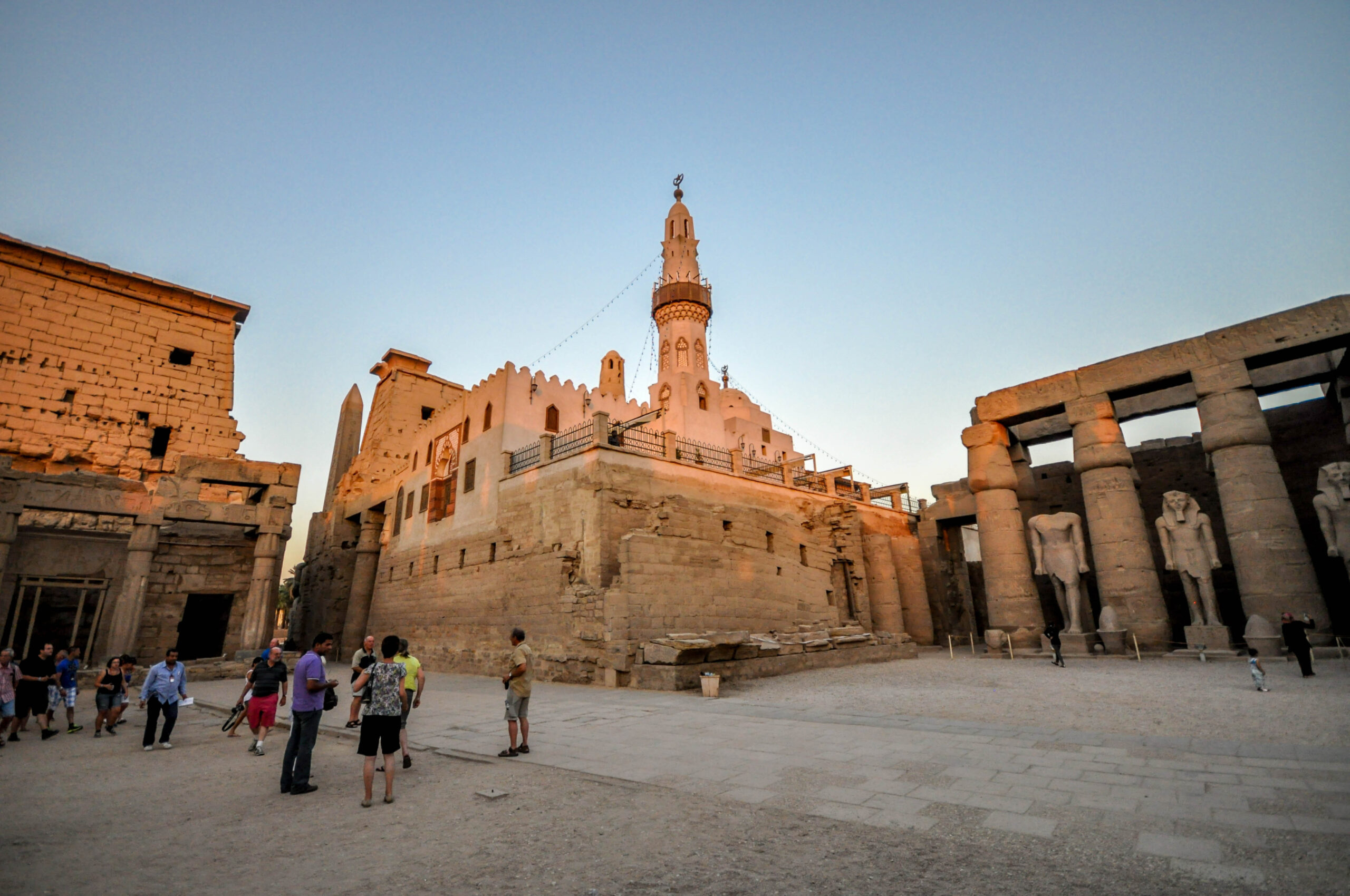
However, many aspects still require a reflection: What was the nature of the space inhabited by the people of the fourth century? How did the presence of Egypt’s monumental pharaonic past shape spaces that were becoming increasingly Christianised? Can we still sustain the conventional narrative according to which churches replaced temples, in a process often accompanied by destruction?
Our attempt to answer these questions will draw on a range of sources, including literature, book production, and, above all, archaeological contexts and architectural projects.
Short bio:
Paola Buzi is Professor of Egyptology and Coptic Civilisation at Sapienza University of Rome. After her PhD in Egyptology, she spent six years as a research fellow in the Department of Archaeology at the University of Bologna, where she combined her interests in Egyptology and Coptic culture. From January to October 2010, she worked at the University of Hamburg on behalf of the Göttingen Academy of Sciences and Humanities, contributing to the cataloguing of Coptic manuscripts preserved in German collections. She was Principal Investigator of the ERC Advanced Grant project “PAThs – Tracking Papyrus and Parchment Paths: An Archaeological Atlas of Coptic Literature. Literary Texts in their Geographical Context: Production, Copying, Usage, Dissemination and Storage” (paths.uniroma1.it; atlas.paths-erc.eu). She is Director of the Advanced Training Course “Egyptology – From Training to Research” and Director of the DigiLab Research Centre (digilab.web.uniroma1.it). Throughout her career, she has combined her research interests in history, literature, and manuscript studies with archaeological research. She has participated in numerous archaeological excavations in Egypt and, since 2020, has directed the archaeological mission at Huhair Gubli and Magal, in the Fourth Cataract region of Sudan. She is editor of the “Scriptores Coptici” series of the Corpus Scriptorum Christianorum Orientalium and a member of the Accademia Ambrosiana (Class of African Studies) and of the Academia Europaea.
*
This event is supported by the Executive Agency for Higher Education, Research, Development and Innovation Funding – UEFISCDI of the Ministry of Education of Romania, under Grant No. PN-IV-P8-8.1-PRE-HE-ORG-2023-0055.